By Marcus T. · Updated 2026-08-14 · 12 min read
You have a valid tvpassorg subscription, the app is installed, and the playlist appears in your IPTV player. Then the screen stays black. The exact frustration is usually not the account and not the price — it is the delivery path between the tvpassorg portal and your screen. That path can break at the DNS, at the app, or at your internet service provider (ISP).
The image above shows the most common stopping point: the player has loaded a list but cannot start a stream. In this guide, I’ll walk you through the errors that look like a dead tvpassorg subscription but are actually fixable settings. You’ll learn why the usual “reinstall the app” advice fails and what experienced users check first.
The tvpassorg Problem Nobody Fixes Correctly
tvpassorg isn’t one unified app with a polished server behind it. It is a white-label IPTV platform distributed through resellers. That means the same tvpassorg name can behave differently depending on the reseller’s panel, the portal URL, and the server they rent. When people search for “tvpassorg not working,” the real fault is often a blocked endpoint or a player that can’t handle the stream format.
This is not a typical subscription service where you log in and watch. The portal URL, the M3U link, or the Xtream Codes come from your reseller. If that endpoint is blocked by your ISP, or if your app sends the wrong request, you get a black screen, infinite buffering, or an “invalid link” message.
Before you blame tvpassorg support, ask yourself: does the list load but the stream doesn’t? That points to a playback or network issue. If the list itself doesn’t load, that points to the URL, DNS, or APK. Most fixes depend on identifying which layer is broken.
The 3 Most Common Mistakes with tvpassorg
1. Using the wrong player
A browser, a cheap “IPTV Player” from an unknown store, or the built-in player inside a random APK can break tvpassorg streams. Many tvpassorg playlists use HLS or MPEG-TS links. If your player doesn’t support those properly, it tries to open the stream and fails silently. The channel list looks fine, but playback never starts.
2. Skipping the ISP block check
In several countries, ISPs block IPTV portal domains at the DNS level. You can have perfect internet and still see tvpassorg not working because the portal resolves to nothing. Most people restart the router or clear the app cache, but that doesn’t touch a DNS block. You need to change DNS, use a VPN, or test on a mobile network.
3. Installing an outdated or fake tvpassorg APK
Searches for “tvpassorg apk download” often lead to third-party file hosts. Some of those APKs are old, some are repackaged with adware, and many point to dead portal addresses. If the APK was built for a different reseller, it won’t connect to your subscription. Always get the installation file from your reseller’s dashboard or a link they control.
Why the Usual Solutions Fail
Clear cache. Force stop. Restart the router. Uninstall and reinstall. These are the default answers from every reseller, and they rarely work when tvpassorg is blocked or misconfigured.
Clearing cache fixes corrupted temporary files, but it doesn’t fix a blocked portal domain. Restarting the router changes your public IP only if the connection drops, and even then, the DNS block remains. Reinstalling the same APK gives you the same broken player. None of these steps address the actual connection chain.
The other failing advice is “just use a VPN.” A VPN does help, but only if you choose a server in a sensible location and keep the VPN active for both the playlist and the stream. If you connect to a VPN on the opposite side of the world, the added latency can make tvpassorg slower than before. You also need a player that reads the stream after the VPN tunnel is active.
What Experienced Users Do Differently
Users who rarely deal with tvpassorg outages treat the subscription as one component, not as a single magical app. They separate the playlist from the player, and they know every visible error has a network or app layer behind it.
- They use a dedicated external player like TiviMate, IBO Player, or VLC instead of the default app.
- They keep the portal URL and M3U link in a secure notes file, not only inside the app.
- They test tvpassorg with mobile data before changing player settings, which isolates an ISP block.
- They update the player from the official app store and only sideload the tvpassorg APK when the reseller provides a direct link.
- They refresh the EPG manually and restart the app after changing DNS or VPN settings.
This approach converts “tvpassorg is down” into a smaller question: is the URL reachable, is the player compatible, or is the stream source overloaded?
Step-by-Step: How to Fix tvpassorg When It Won’t Connect
Follow these steps in order. Most readers will resolve the issue at step 2, step 4, or step 6.
- Confirm the subscription is active. Open the email or message from your reseller and check the expiry date. A subscription that lapses at midnight creates the exact same “playlist loads but no streams” symptom.
- Verify the portal URL or M3U link. Copy it manually into a browser. If the URL shows “site can’t be reached,” you are dealing with a DNS block, a dead server, or an incomplete subscription setup.
- Change DNS on the device or router. On Android, set a private DNS to dns.google or one.one.one.one. On a router, change the primary DNS to 8.8.8.8 and secondary to 8.8.4.4.
- Test with a VPN on and off. Use a VPN with a server in your own country or a nearby country. Then open tvpassorg again. If the stream works only with the VPN on, your ISP is interfering.
- Switch to an external player. Install TiviMate or IBO Player from the app store, then add the tvpassorg M3U URL or Xtream Codes manually. This bypasses most player codec problems.
- Reinstall the tvpassorg APK correctly. Download the APK only from your reseller’s dashboard. Disable Play Protect temporarily if required, install the APK, then turn Play Protect back on. Open the app, enter the portal URL, username, and password, and let it load the full playlist.
- Check the device date and time. A wrong timezone can affect EPG parsing and secure handshakes. Set the time to automatic, restart the player, and refresh the EPG.
- Try a different network. Turn on your phone’s hotspot and connect your TV or Fire Stick to it. If tvpassorg works on the hotspot, the problem is inside your home network, not the subscription.
If you are using an Android TV box, also disable battery optimizations for the IPTV player. Some boxes aggressively kill background apps, which makes tvpassorg appear to “log out” or buffer forever.
Realistic Results to Expect After the Fix
No fix can turn an overloaded tvpassorg server into a flawless streaming platform. But when the failure comes from local configuration, the results are usually immediate:
- DNS block: changing DNS or enabling VPN restores the portal in under three minutes.
- Player compatibility: switching to an external player clears the black screen right away.
- EPG issues: refreshing the guide after changing the portal URL fills in program info within 10–15 minutes.
- ISP throttling: a VPN may restore the stream, but the picture quality depends on the VPN speed. Do not expect perfect 4K on a far-away server.
If tvpassorg still fails after all these steps, the issue is on the provider side. In that case, a reliable tvpassorg alternative with clearer support channels is worth testing before you renew.
Pitfalls to Avoid
- Don’t buy lifetime plans. IPTV portals disappear when server costs outgrow reseller revenue. A “lifetime” tvpassorg account is usually the first one to vanish.
- Don’t use a VPN server in another continent. You will fix the block but introduce buffering.
- Don’t update tvpassorg through random APK sites. Use the reseller’s link or the player’s official store page.
- Don’t paste your M3U link into online “IPTV checker” tools. They can log your credentials and share them.
- Don’t ignore the expiry date. Some resellers auto-renew, others don’t, and both scenarios cause “not working” messages.
tvpassorg Pros and Cons
✓ Benefits & Pros
Price: tvpassorg plans are typically cheaper than major streaming bundles.
Channel range: you get live channels, sports, entertainment, and VOD from many countries.
Device flexibility: it works with multiple IPTV players if you have the M3U or Xtream Codes.
✗ Limitations & Cons
Stability: reliability changes with each reseller and server location.
No official store app: you need to sideload the APK or use a third-party player.
Support delays: resellers often blame your internet before admitting server trouble.
What Works vs What Doesn’t When tvpassorg Drops
RECOMMENDED RESOURCE
tvpassorg
Before you renew a portal that keeps dropping, check current tvpassorg offers, reseller details, and setup notes in one place.
View the tvpassorg Platform →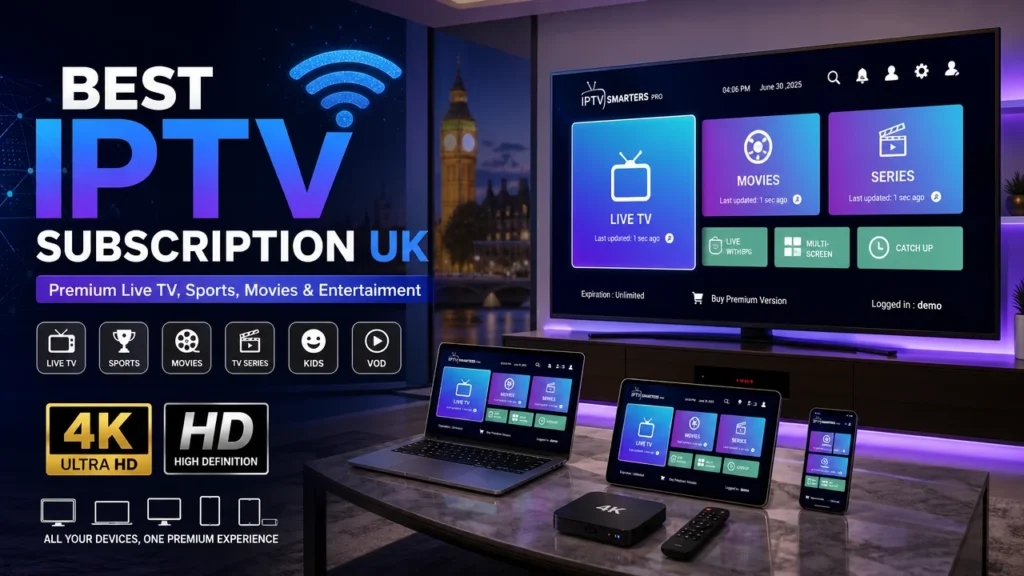
That setup in the image above is what a correctly configured tvpassorg experience looks like. The playlist is loaded in a dedicated player, the guide is readable, and the user can switch between live TV and VOD without logging in again. If your current app doesn’t display a menu like this, the app layer is your weak point.
Compare tvpassorg with mainstream alternatives before subscribing for another billing cycle. You need current portal details, not screenshots from last season.
Learn more about tvpassorg →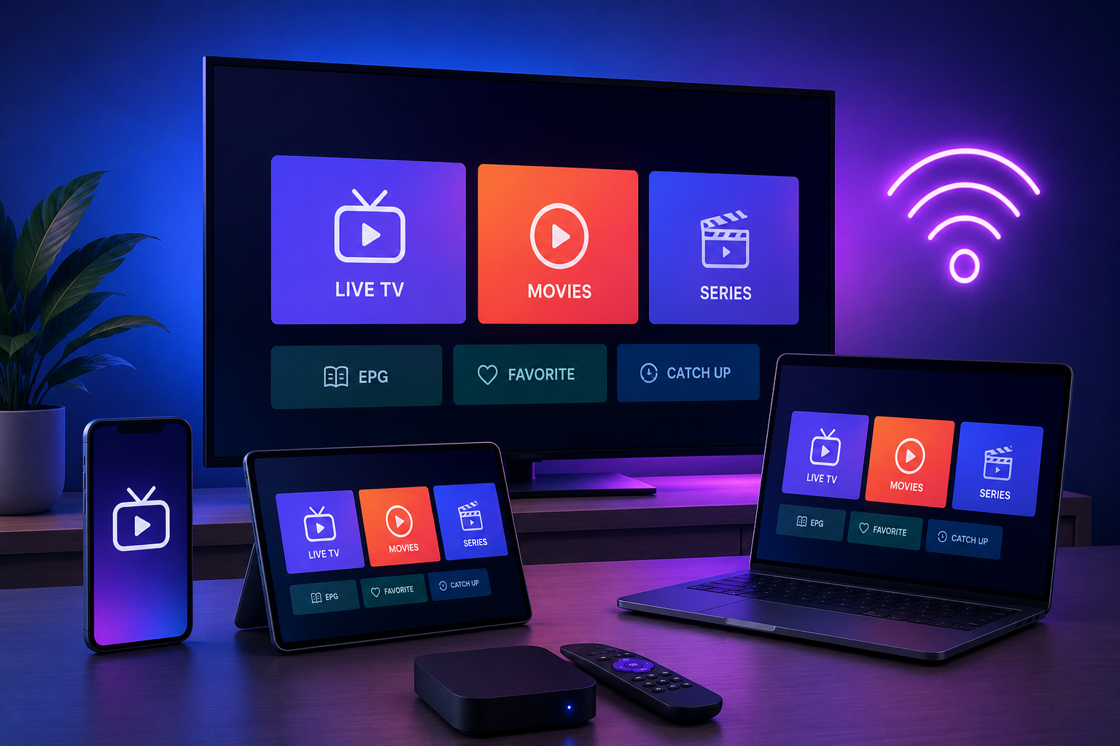
This connection diagram is worth remembering. Every time tvpassorg fails, trace the path from right to left. If the screen is showing an error, check the player first. If the player says “no playlist,” check the DNS and VPN layer. If the VPN is fine, check the portal URL with your reseller.
Featured Streaming Selection:
Check Out tvpassorg Deals →Affiliate Disclosure: Clicking this secure link verified by our network supports our team through standard partnership terms at zero extra cost to your invoice.
The fix is not magic. Start with DNS, then test a VPN, then switch players. If the portal itself is dead, move to a tvpassorg alternative that gives you direct access to the server status and a support team that answers within hours, not days.
Frequently Asked Questions
This article contains affiliate links. Our editorial analysis remains independent.