By Elena R. · Updated 2026-08-13 · 12 min read
You asked a simple question — "what is iptv tv" — and got fifty contradictory answers. So you tried the cheapest subscription a stranger recommended on Reddit, and now you're staring at a frozen basketball game while the loading spinner mocks you. That moment is the real reason you're reading this: not the definition, but the frustration.
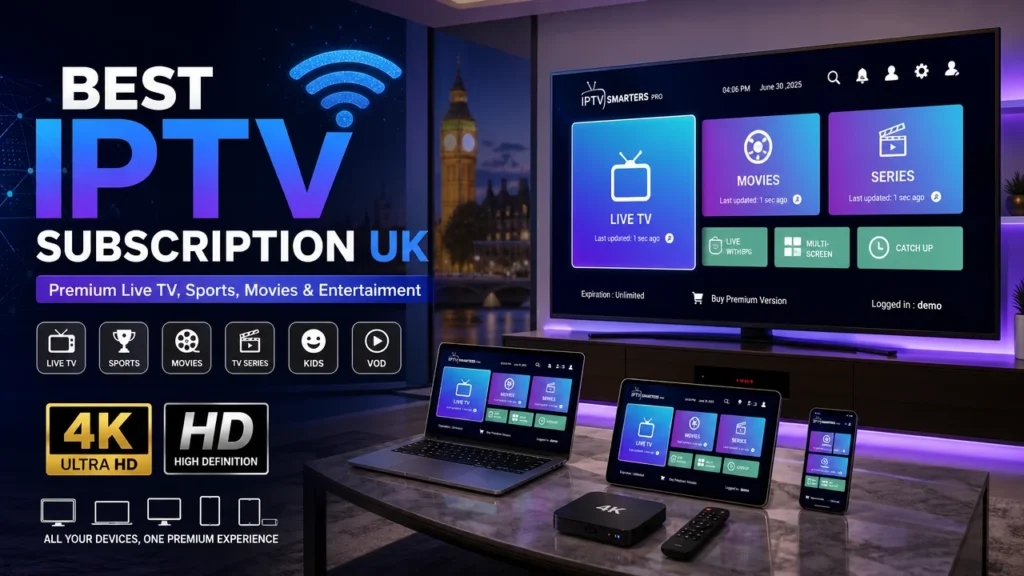
IPTV stands for Internet Protocol Television. It means live TV and on-demand video are delivered as data over your broadband connection instead of broadcast signals from a cable or satellite dish. That's the clean five-second answer. The longer answer involves the three moving parts shown in the interface above: the provider's server, your home network, and the app on your TV. Get all three aligned and IPTV is genuinely excellent. Let one slip, and you'll be convinced IPTV never works.
That dashboard above is what a good IPTV setup looks like after you've configured everything correctly — live channels, movies, and catch-up TV arranged in one grid. Every one of those tiles arrives through your internet line, which is exactly why it breaks in ways traditional cable never does.
The 3 Most Common Mistakes People Make with IPTV
Mistake #1: Treating "IPTV" like a single product instead of a delivery method. The phrase "what is iptv tv" makes it sound like one thing with one clean definition. In practice, the IPTV you get from a legal, rights-holding service is a completely different operation from a reseller who sells you access to a server that skips licensing entirely. Both call themselves IPTV. One will be around in six months; the other might vanish before your first invoice. Most first-timers never check which category they're buying into.
Mistake #2: Letting one internet speed test decide everything. You run a speed test, see 200 Mbps, and assume your network is fine. IPTV doesn't care about maximum speed. It cares about stability, jitter, and packet loss. Two identical 20 Mbps connections — one wired, one a weak Wi-Fi signal through two walls — produce completely different results. When people eventually ask "how does iptv work" inside their own home, the honest answer is usually "poorly, because of the router, not the service."
Mistake #3: Choosing a provider based on channel count and screenshots. Twenty thousand channels sounds impressive until you realize most are dead links, endless shopping loops, or low-bitrate duplicates of the same video. Serious buyers look for an actual "iptv channels list usa" or a current portal URL before paying. Instead, beginners trust whichever screenshot looks prettiest in a Telegram channel, then wonder why the EPG shows yesterday's schedule.
Why the Usual Fixes Fail
Comment sections and "five apps that fix IPTV" articles love three answers: reboot the router, use a VPN, or buy a better player. Each one treats a symptom while ignoring the delivery chain.
A router reboot clears a temporary routing issue. It will not fix a router that's already struggling to handle ten devices, a DNS server that's rejecting your provider's domain, or Wi-Fi interference from the neighbor's network. A VPN usually lowers stream stability because it adds encryption overhead and routes you through congested servers; use a VPN for privacy, not to repair a stream that's already unstable. And a different player app — TiviMate, IPTV Smarters, whatever the listicle recommends — is only the last meter of a long delivery chain. If the source is saturated, a new player changes nothing.
None of those fixes address the real variable: end-to-end throughput from the provider's server to your device. That's why the same FireStick works flawlessly for one user and buffers endlessly for another.
What Experienced IPTV Users Do Differently
People who've run IPTV for years do three things that beginners skip.
First, they test their network for a week before buying anything. They note the jitter figure, not just the download speed. They check whether their ISP throttles large transfers during peak hours. They learn where the router physically sits and which devices compete for bandwidth at 8 p.m. That ten-minute audit saves a month of buffering later.
Second, they buy a monthly subscription before a yearly one. A month is enough time to learn whether the EPG loads correctly, whether sports streams hold 60 fps, and whether customer support answers before your subscription expires. The "best iptv service for firestick" you see in an iptv review reddit thread may be posted by a reseller. Monthly validation removes that guesswork.
Third, they audit the channel list before paying. Reputable providers publish a current playlist or portal URL you can scan. If a seller refuses to show the channel list — or shows a screenshot that looks stretched over a blank grid — move on. This single habit filters out most of the services you'd later regret.
How to Set Up IPTV So It Actually Works
Here's a direct, repeatable process. It assumes you're using an Amazon FireStick or Android TV box, which is what most people mean when they search for a FireStick-specific setup. The same logic applies to smart TVs, phones, and tablets.
Step 1: Measure the network from your streaming device's position. Run a speed test on the TV or FireStick itself — not on your phone sitting next to the router. You need at least 15–20 Mbps stable for reliable 1080p streams. More important is jitter below 10–15 ms. If 4K matters, aim for 40+ Mbps with similar stability.
Step 2: Fix the obvious network issues. Plug the streaming device into the router with Ethernet if the room allows it. If not, move a mesh node closer or use the 5 GHz Wi-Fi band instead of 2.4 GHz. Reboot your router once — not to fix the stream, but to apply clean DNS settings and clear a stale routing table.
Step 3: Change DNS on the router or device. Cloudflare at 1.1.1.1 or Google at 8.8.8.8 often resolves provider domains faster than your ISP's default DNS. This alone fixes a surprising number of partial-freeze and slow-channel-switch cases.
Step 4: Install a proper IPTV player. On FireStick, TiviMate and IPTV Smarters Pro are the usual choices. On Samsung and LG TVs, you're often limited to IPTV Smarters or the provider's own app. Do not sideload an "all-in-one" APK from a random forum; that's a common route for malware. The app just needs to read your provider's Xtream Codes URL or M3U playlist.
Step 5: Enter the portal URL or upload the playlist. Open the player's settings, choose "Add Playlist," select Xtream Codes or M3U, and paste the exact URL the provider sent you. Once it connects, the EPG and channel list populate automatically. If nothing appears, check the URL for copy-paste errors before contacting support.
Step 6: Evaluate the provider for a full month. Keep a note of channel deaths, hours of downtime, and whether the EPG stays synchronized. At the end of the month, you'll have real data instead of guesswork. If the note is clean, extend the subscription. If not, you've lost one month's cost instead of a year's.
Realistic Results — What to Expect
With a decent provider and a stable network, here's what a typical evening looks like:
- Channel switching between 2 and 5 seconds
- EPG guide filled for most major networks
- 1080p/60 fps sports streams without visible artifacts
- Buffering no more than once an hour, usually during peak national events
With a shaky provider — or a network running on 2.4 GHz Wi-Fi through multiple walls — expect 10–30 second load times, pixelated text on sports tickers, and buffering every 10–15 minutes in the evening. No app upgrade will fix that. The comparison table below shows where to spend your effort.
Pitfalls to Avoid
- Lifetime subscriptions. There is no business model that justifies a one-time $80 "lifetime" payment unless the provider plans to collect money before disappearing.
- Cryptocurrency-only payments with no invoice. Not always a scam, but it means no refund path, no chargeback, and no paper trail.
- Absurd channel counts. Hundreds of quality streams beats twenty thousand dead links.
- "Free IPTV" apps. They tend to harvest viewing data, inject ads, and disappear from stores quickly — usually without live TV anyway.
- Ignoring your ISP's data cap. Streaming a few hours each evening can push you past 1 TB in a month. One month of overage fees makes "cheap IPTV" not cheap.
✓ Benefits & Pros
Cheaper than cable: no equipment rental, no long contracts, no forced bundles
Genuinely international: local channels from other countries without extra hardware
Works across TV, phone, laptop, and tablet from one subscription
Catch-up TV and EPG come standard on decent players
✗ Limitations & Cons
Completely dependent on your broadband; if the internet is down, so is TV
Quality varies wildly between providers — bitrate, codec, and uptime differ
Grey-market services exist, so legal iptv providers need careful vetting
Setup requires more technical comfort than plugging in a cable box
RECOMMENDED RESOURCE
what is iptv tv
Compare premium line configurations, trial terms, and current promotional offers.
Check Out what is iptv tv Deals →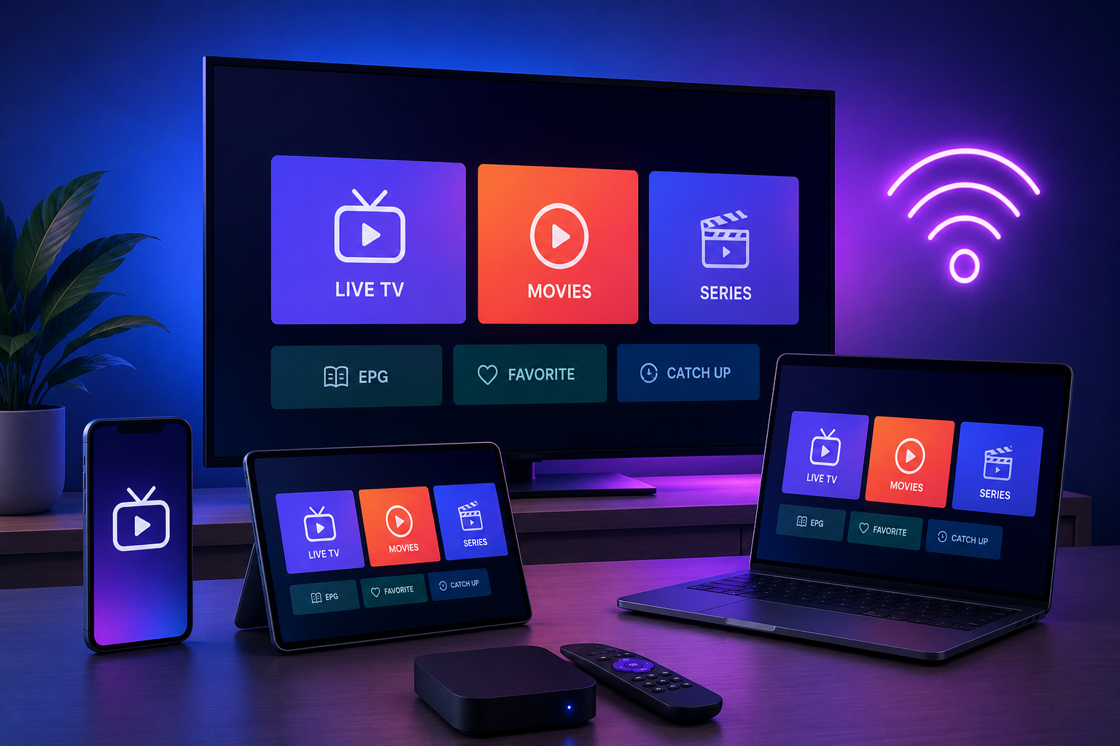
What Works vs. What Does Not
The diagram above shows why the setup chain matters. If any link — provider, router, Wi-Fi, or player — is weak, the picture suffers regardless of how expensive your TV is. The table below maps the practical actions that solve the usual problems against the popular advice that keeps failing.
Read independent network latency reviews, real channel list samples, and verified hardware compatibility notes before you commit.
Find Out More About what is iptv tv →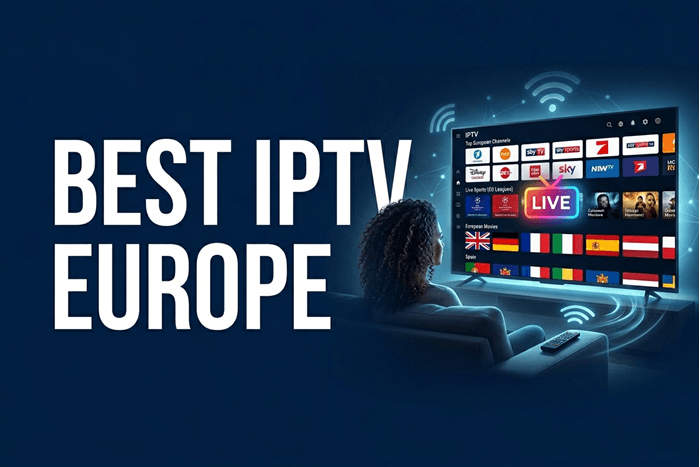
The Bottom Line
This guide asked why IPTV stops working. The practical answer is that most setups treat IPTV as a single unboxing moment instead of a system with three parts: provider, network, and player. Each part needs a few minutes of honest attention. The channel list shown above is a good reminder of what to check before you commit — a real provider updates its lineup, states its terms clearly, and doesn't hide behind screenshots.
Get those three parts aligned and you'll be the one posting a calm "finally, it's working" instead of begging strangers for a download link. Start with a monthly plan, test from your actual streaming device, and give each provider one honest month before you judge it.
Featured Streaming Selection:
Explore what is iptv tv Plans →Affiliate Disclosure: Clicking this secure link verified by our network supports our team through standard partnership terms at zero extra cost to your invoice.
Frequently Asked Questions
This article contains affiliate links. Our editorial analysis remains independent.